 ZebraZones

The largest theft in history
How did Binance get hacked for billions, and how can you prevent a similar fate in your organization?
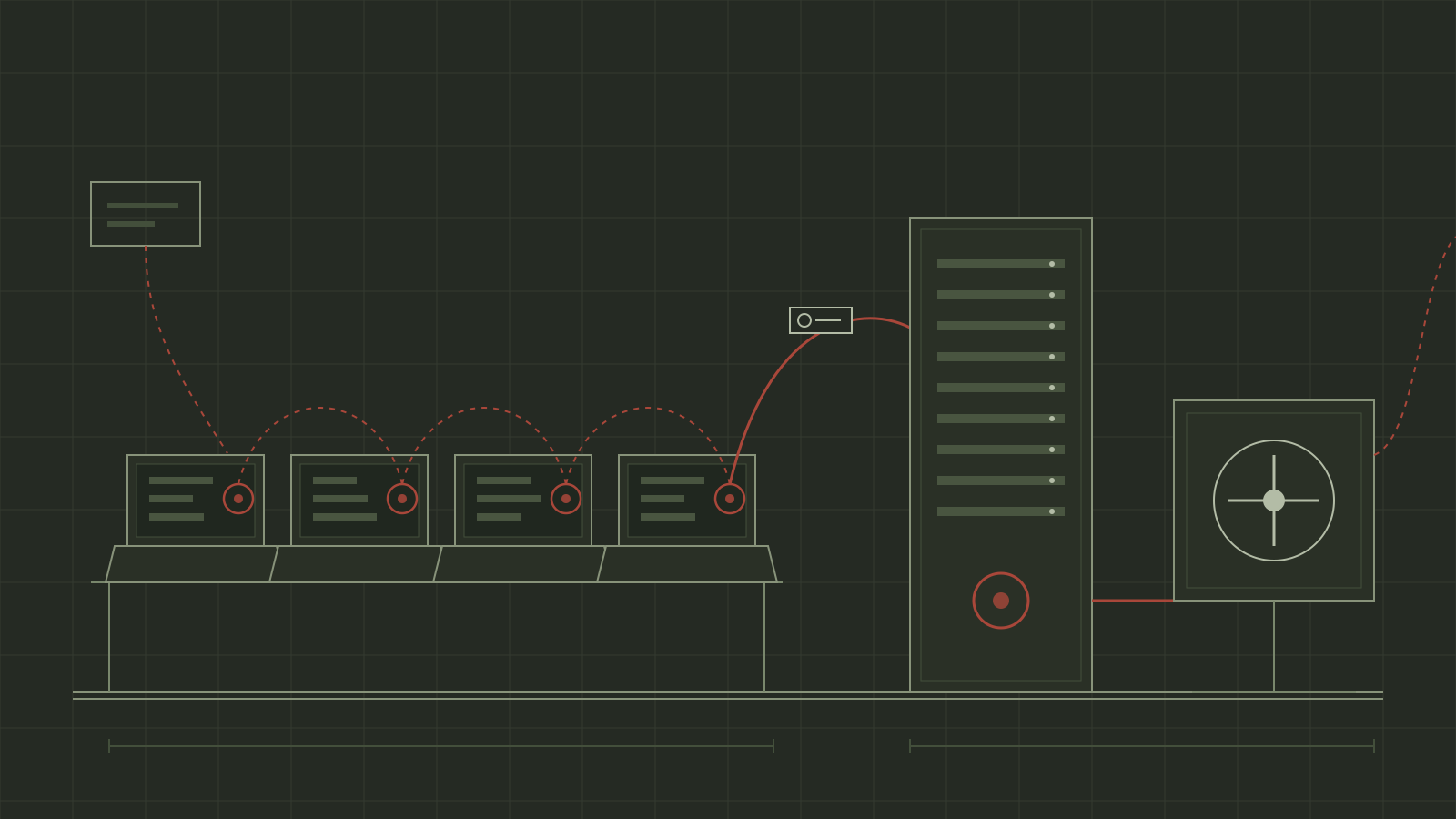
On October 29, attackers took about $6.3 billion from the crypto exchange Binance. Here's the story of how compromising a few laptops led to the largest theft in history.
June: a tampered download
It all started in June, when a DevOps engineer on the wallet team attempted to download Homebrew for his Mac, but instead installed a tampered copy served via a malicious ad.
Binance caught it, replaced the laptop, and changed the related access credentials. The attack stopped, for now. But the attackers had already learned what that engineer worked on and who else was on the team. That was enough to pick the next target.
September: a fake recruitment process
In September, a different engineer went through a fake recruitment process. The coding assignment ran malware during setup. It replaced an internal dev tool with a malicious copy. This time, Binance's security software did not catch it.
October: from a deploy token to the signing service
On October 20, the internal tool was leveraged to take over the computers of two more wallet engineers. One of those computers held a digital permission token that allowed its owner to deploy software into Binance's systems.
On October 29, the attackers used that token to deploy software and run a script that reached Binance's internal signing service. That's the system that approves transactions leaving the exchange's wallet. It began signing transfers that bypassed the normal withdrawal process.
No private keys were leaked, and the attackers didn't need them. They tricked the transaction system into signing their malicious withdrawals.
How to prevent a similar attack
Now, how can you prevent a similar attack on your enterprise systems? You can follow our zone integrity standard to make your systems more resilient.
Step 1: map and shrink your attack surface
The first step is mapping and shrinking your attack surface. That's every point where an attacker can interact with your systems. At Binance, it included the engineers' laptops, the software they ran, and the credentials stored on them.
List every device and account that can reach your systems from the outside, then cut that list down. A laptop used to browse the open web and open job applications should never hold a token that can deploy software into production.
Give engineers a secure environment to run untrusted code from the outside, one that is wiped clean after every run.
Step 2: isolated security zones
The second step is to separate your systems into isolated security zones. Even if attackers can get into one system, they won't be able to move laterally to the next one.
In a zoned design, the system that moves money sits in its own zone. Nothing from the developer zone can reach it directly. Any change to it needs a separate approval that a compromised laptop cannot give.
Step 3: secure gateways between zones
The third step is securing the gateways between zones. In the case of Binance, an internal tool was leveraged to jump from one engineer's computer to two more.
You need to treat each zone boundary with the same scrutiny as a public-facing system. Establish complete vulnerability scans for internal tools and clear whitelisting on every gateway.
An organization with the old mindset of "inside my network" versus "outside my network" will lose. Think about a clear segmentation into zones that do not trust each other.
A note on AI tools
AI tools make this even more urgent. They are often connected to many machines and accounts at once. Scan them, review them, log everything.
Questions for your organization
Finally, here are some questions for you. Which systems do you consider critical for your organization? Can they be reached from an ordinary laptop?
Are your internal tools scanned for vulnerabilities? How many different zones with strict security boundaries does your company have?
If you want to thoroughly answer these questions, consider asking us for help. We are ZebraZones, the independent cybersecurity authority, and our mission is to protect you in the age of agentic AI.
References
Sources & further reading
- 01Binance, “29 October Binance Security Incident: Initial Findings and Response Update”
- 02The Hacker News, “Binance Reveals How Fake Job Interviews and AI Tool Abuse Led to $6.43 Billion Theft”
- 03Fortune, “North Korea used LinkedIn, fake job interviews to trick Binance engineer in $6.3 billion hack”
- 04Security Affairs, “Binance Hack: How Fake Job Interviews and AI Abuse Led to a $6.34 Billion Attack”
- 05StepSecurity, “Binance's $6.34 Billion Hack: Developer Machines, AI Tooling, and Wallet Signing”