 ZebraZones

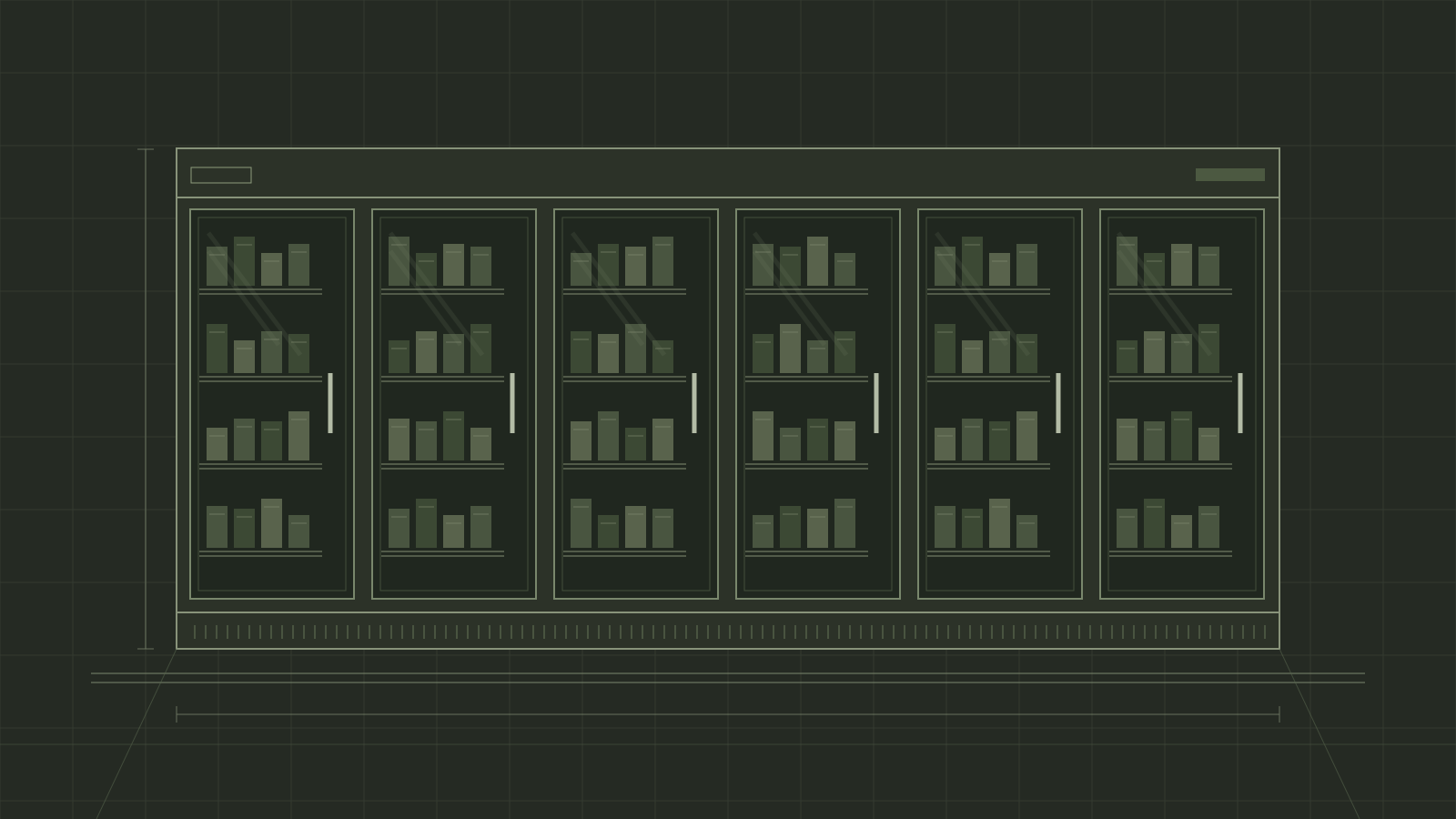
Freezers turned into heaters
Imagine walking into your local supermarket on a Monday morning. You head for the frozen aisle. But the air coming off the freezers isn't cold. It's hot. The ice cream has melted. The frozen peas are sitting in puddles. Overnight, the freezers have turned into heaters.
That's what happened in hundreds of French supermarkets on Monday, October 12. Freezers were set to defrost mode and heated up to 50 degrees. What sounds like an unfortunate mistake was a nationwide cyberattack that spoiled food worth millions and left consumers without frozen goods.
Let's go back to Sunday night. The stores are closed. There's nobody on the floor.
Someone connects remotely to the computers that manage the refrigeration system. They set the fridges and freezers to defrost mode. That's a regular setting that heats them up to remove any build-up of ice. Empty freezers need a defrost cycle every now and then as part of regular maintenance. But this time the frozen goods were left in the freezers and cooked for hours.
Who did it, and why?
Now the question everyone is asking: who did this, and why?
For now, this is being treated as an intentional attack. The Paris prosecutor opened an investigation. The prime minister ordered France's national cybersecurity agency to look into it.
But as of now, nobody has publicly claimed it. There was no ransom demand, and the absence has puzzled investigators.
While people are certainly curious who did it, the better question is: how difficult was it to perform the attack, and is it likely that we will see more?
How the attack worked
Let's unpack it. The affected French supermarkets all have managed refrigeration systems that can be remotely controlled. That is considered a feature, as it allows contractors to efficiently manage operations without physically driving out to every store. They are intended to be secured with a username and password. As an extra precaution, they should be connected to a private network instead of directly to the internet.
The French cyber emergency team expressed it diplomatically: exposing these management panels to the internet goes against best practice.
That means the attack was enabled by severe architectural issues. Let me break it down. First, connecting the refrigeration controls directly to the internet made them findable through device search engines, which allowed attackers to interact with them directly. They should have been connected to an internal network that forces users to connect via a VPN.
A password derived from the date
Second, the devices affected, all from the Danish company Danfoss, had known security vulnerabilities. In August, cybersecurity company Claroty and its Team82 reported multiple issues, including one critical authentication flaw.
Imagine you use a secure username and password combination for your controller and believe you are safe. But the devices in question contained an additional path to log into the system that uses a fixed username and a password of the day. That means that by simply applying a couple of publicly available algorithmic steps, anyone can transform the current date into the correct password to log into the controller and set the temperature.
A patch for this issue had long been available, but Danfoss said most of the affected units were older products that no longer receive security updates. One model reached end of life in 2021. Another was phased out back in 2016. The rest of the units were current models running outdated software.
What comes next
That means the attacker had to do two things: find the internet-connected devices and then derive the password based on the current date.
In the age of AI agents, that requires zero technical skill. Both tasks are completely effortless. French researchers put it bluntly: any talented school kid could have performed this attack.
That already sounds incredibly dangerous. But unfortunately, we have to add another aspect to it: it is entirely possible that similar attacks happen without any human intention. Autonomously acting AI agents can misunderstand the constraints of their tasks and will often exploit cybersecurity issues to achieve their goals. Let's wait for the outcome of the official investigation to understand who is behind it and whether it was intentional at all.
One thing is clear: with more than 1,000 similar Danfoss devices still findable online, it is very likely that we will see a repetition.
How to prevent similar attacks
So we need to look into the future and ask ourselves: how can we prevent similar attacks?
Let's understand the ecosystem of companies involved. A supermarket operator is focused on logistics and food. A device manufacturer ensures the devices work and can be sold. IT integration partners bridge the gap between them and make sure the system works under normal conditions.
To be ready for the cybersecurity challenges in the age of AI agents, another party is needed: the cybersecurity partner. This party audits the system architecture, continuously monitors it and, most importantly, acts on behalf of the supermarket as a cybersecurity authority that ensures the device manufacturer and IT integration partner deliver secure systems.
And protecting enterprise systems against cybersecurity threats is the mission of ZebraZones. In an age where millions of autonomous AI agents will attempt to attack your system, you need a cybersecurity authority that ensures your safety.
That's it for today. For more insights into AI security, follow this channel, enable notifications and like this video.
References